
ECU File Analysis
ECU Check analyses the file that you have read from the vehicle and presents the results in real time
When the ECU tuning industry was in its infancy, the code required to run an engine was tiny in comparison to the vastly complex and greatly increased quantity needed today. As manufacturers have kept up with emissions regulations and made their cars ever more refined and capable, so the scale of calibration coding has increased.
We have an extensive knowledge of these areas within an ECU, and can analyse them in comparison to our database of original files. This determines two important factors
- Whether the “Data Area” (the code that runs the engine and its associated emissions systems) within its calibration has been altered.
- Which of the Diagnostic Trouble Codes have been deleted.
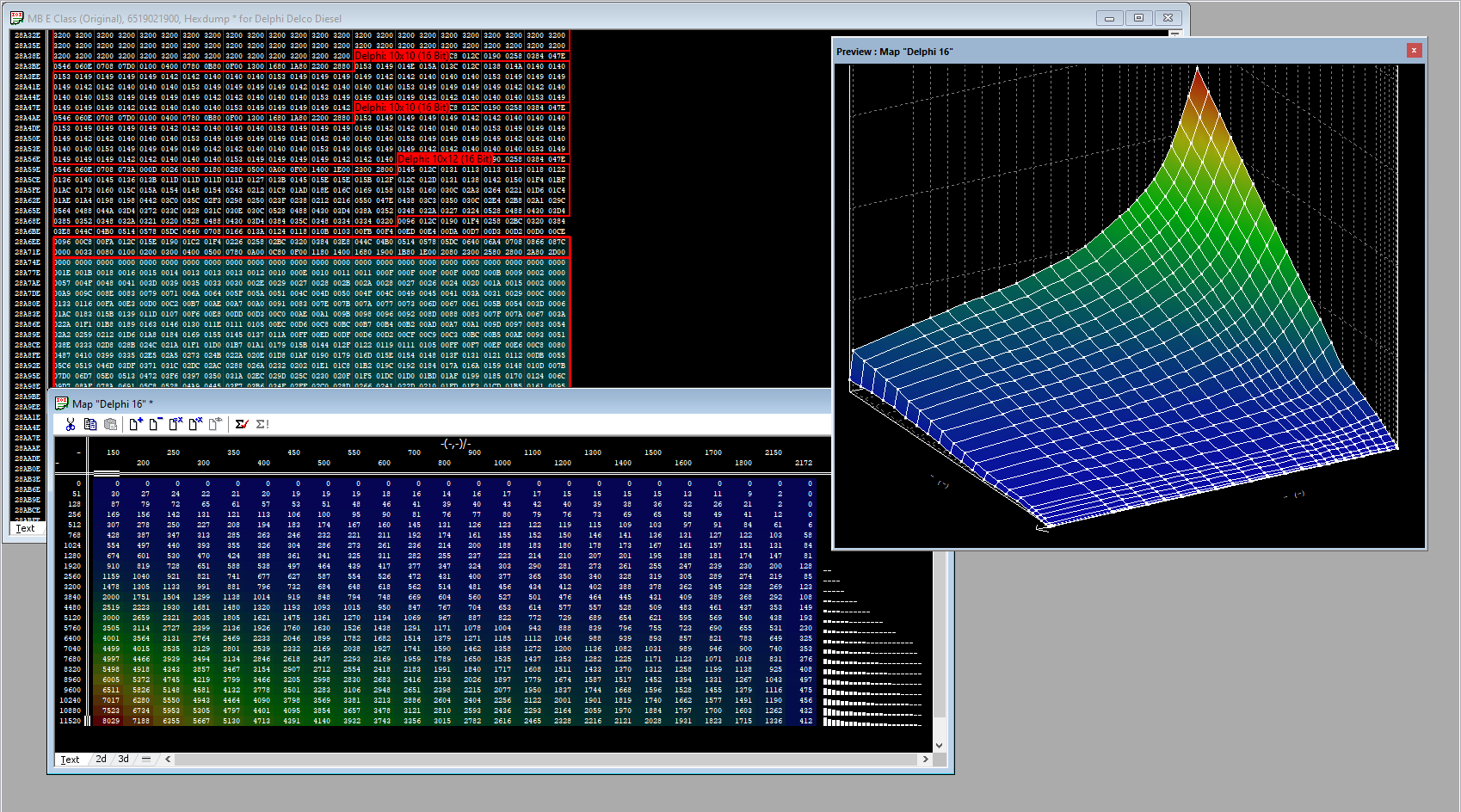
The Process
The Alientech KESS3 is used to obtain the vehicle’s calibration file from the engine ECU. This is done using either bench or OBD reading methods.
This isn’t analogous to using a diagnostic unit. The KESS3 is the market leading electronic tuning tool, and as a result it is the perfect equipment for our purposes. It has the greatest vehicle coverage and is reliable and consistent in operation.
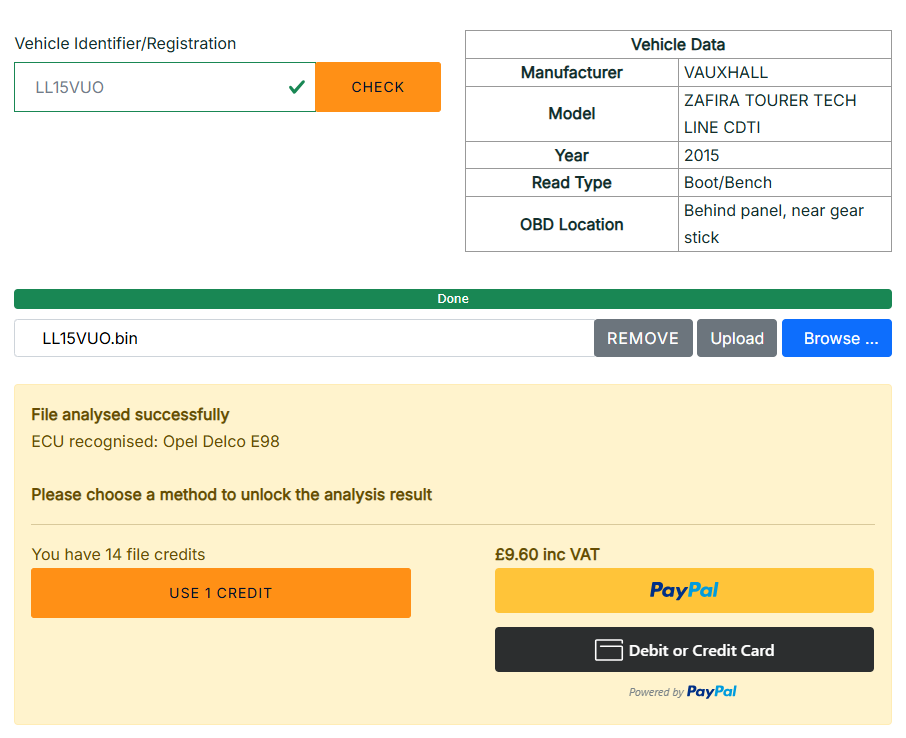
Firstly, the vehicle registration is entered into the ECU Check website. Relevant vehicle data are displayed such as type of read and OBD port location.
The operator then connects to the ECU, and selects the communication protocols from within the Alientech software.
These videos demonstrate and describe the process for both OBD and bench methods.
Step 1: Read the ECU
Once you have the calibration file, our system is incredibly simple to use. You will know within minutes whether or not it has been modified. Take the example in these screenshots.
Before obtaining a read it is worth using our vehicle lookup system, by entering its registration. We supply the vehicle information, engine code, type of read required, and where to find the OBD port.
The next part of the process is to take a read from the engine ECU. This will either be done through the OBD port, or by removing the control unit from the car and connecting to it directly (otherwise known as a bench read). The file generated is then uploaded to the ECU Check website.
Step 2: Upload the File
Logging in to your account reveals the “Upload File” link in the main menu.
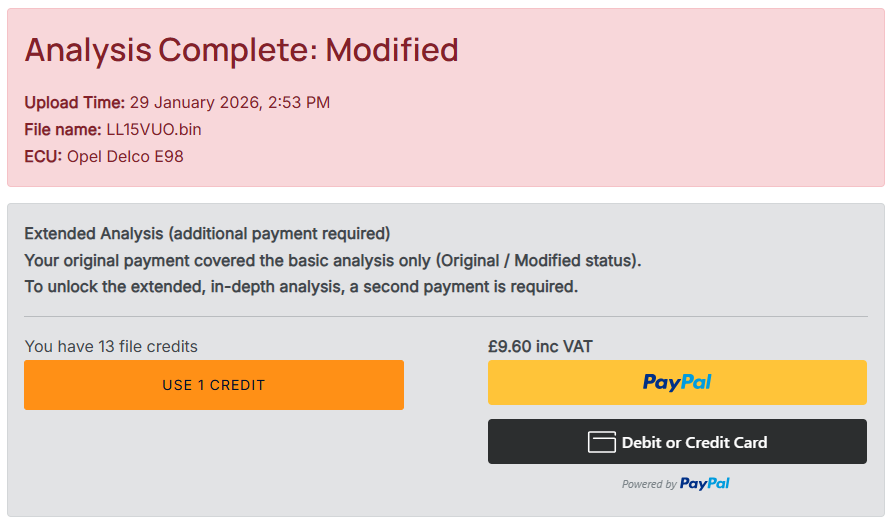
Analysis begins as soon as you have browsed your PC for the file and clicked the Upload button. The site will provide a binary result of “Modified” or “Original” with the use of one file credit, or a direct payment. Credits are available to purchase from the store, but a more cost-effective subscription is also available.
In this example, the results indicate that that ECU is indeed modified.
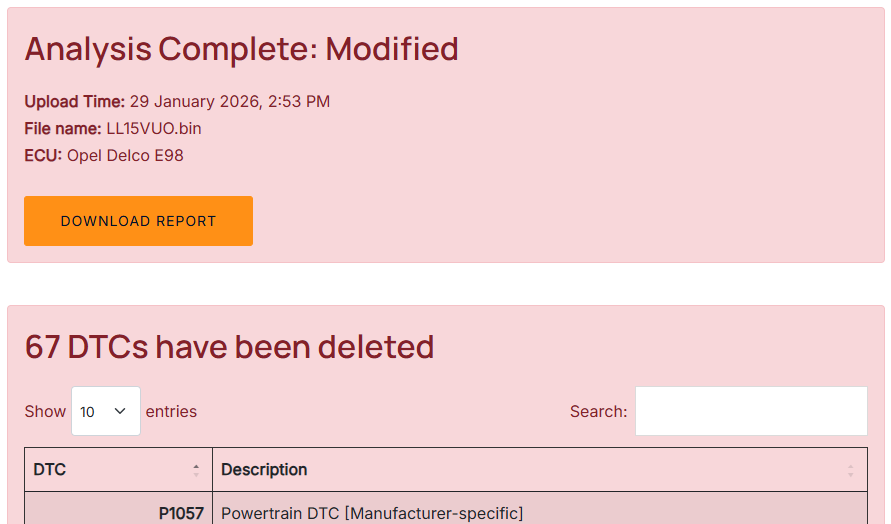
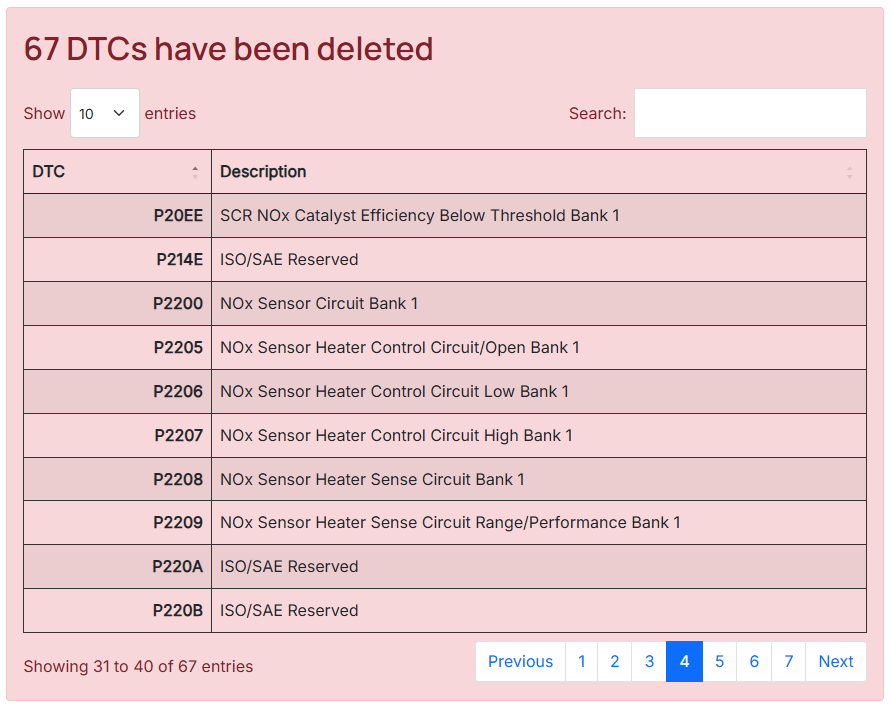
Using a further credit gains access to the full analysis, presented as you see here, along with a downloadable report in PDF format.
In this example 67 DTCs have been deleted, relating to the Adblue system. This means that it has been effectively disabled, and in all likelihood the control unit disconnected.
The vehicle itself is quite possibly running normally, with no illuminated dashboard warnings.
A modification such as this is routinely carried out on diesel vehicles with notoriously unreliable Adblue systems. Additionally, a sluggish supply chain of vital spare parts often leaves owners feeling that they have no choice but to simply delete it.
Adblue is one of the emissions systems most commonly disabled. DPF and EGR deletion is also routinely carried out on passenger cars and light commercial vehicles.

What next?
In this example, you have discovered that the Adblue system has been disabled and probably physically unplugged. The ECU calibration has been adapted so that the car still runs correctly with no illuminated warning lamps on the dashboard. So how do you return this car to standard condition..?
It is possible to request an original calibration file and to rewrite the ECU to standard. Subsequently, a diagnostic scan will reveal the same DTCs you have seen listed in our analysis. Repairs to missing or altered hardware can now be undertaken, should this be the route that you wish to take. Or you might, at this juncture, decide that dealing with this particular vehicle is not economically viable, and reject it as a trade-in.

Manual Analysis
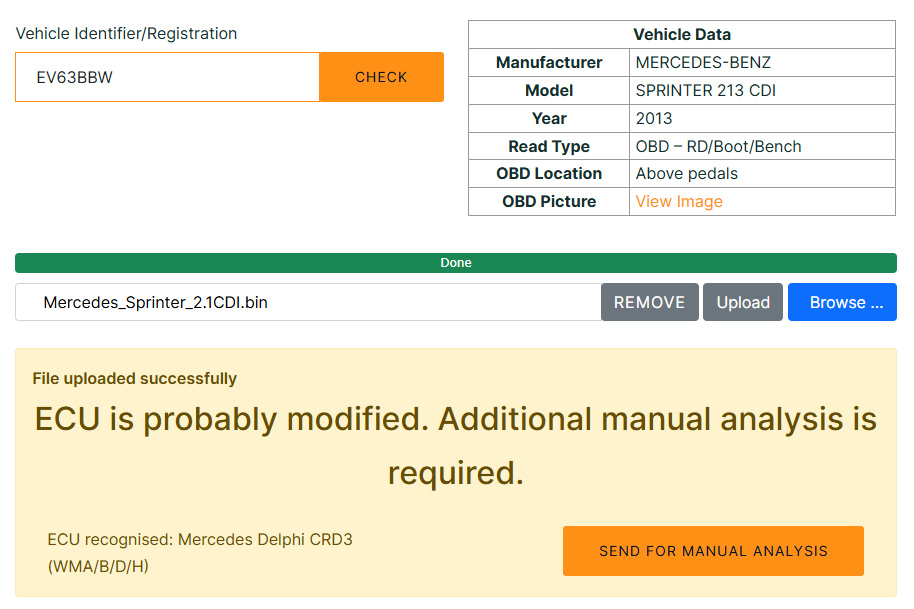
This is necessary if the uploaded file produces an inconclusive result.
Sending it for further investigation means that it will be examined by a human, whose expertise is in ECU calibration. They can make comparisons with files taken from the same type of vehicle and ECU, but with a variation in software.
This variation has stopped it from being matched within our database. Alternatively, the alterations that have been carried out are enough to flag it as modified, but they have been done in such a way that automatic analysis has not been possible.
